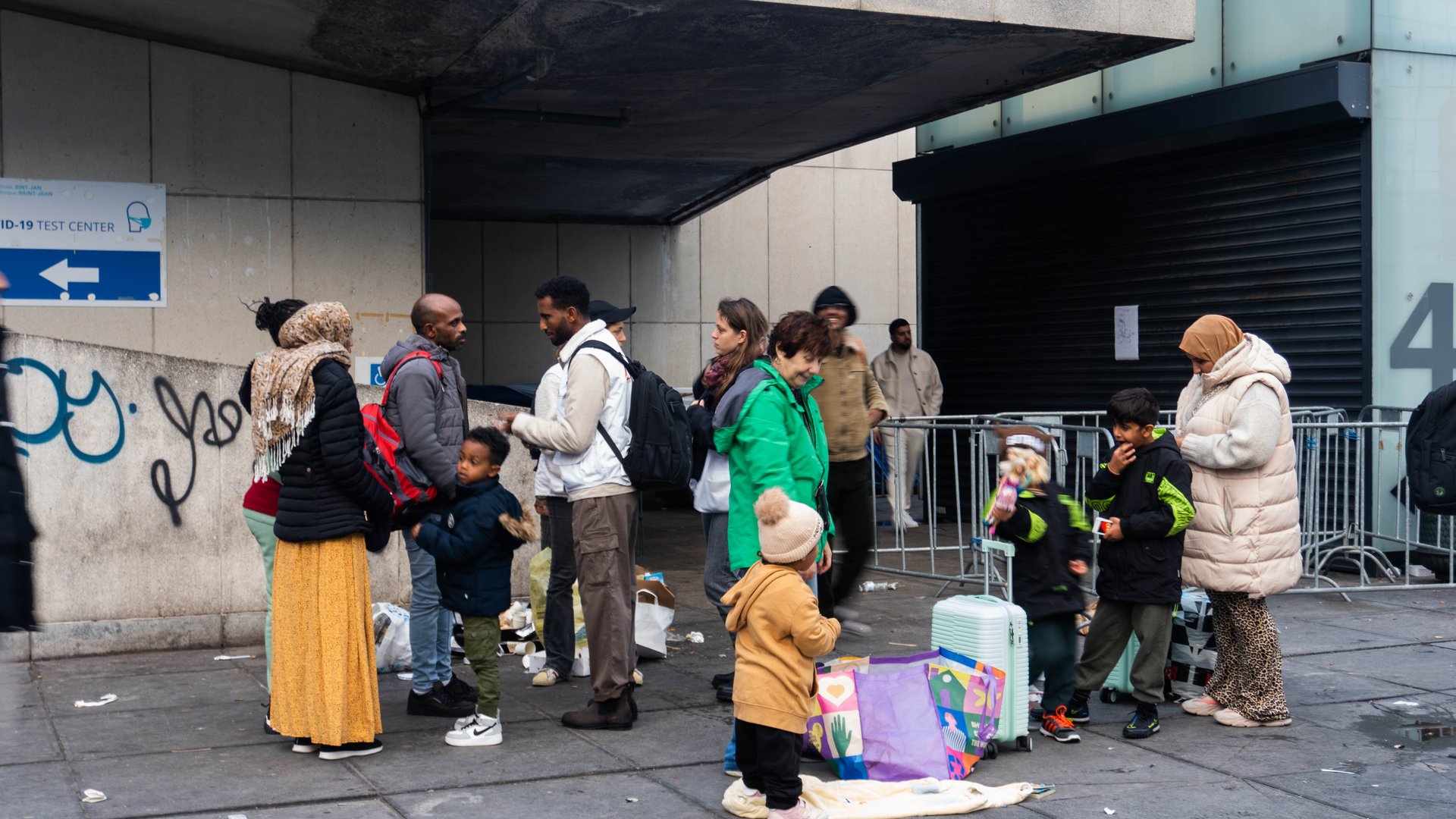
THE CHALLENGES OF IMMIGRANT LIFE AT BELGIUM'S FEDASIL CENTER
In the last few years, Europe has faced big challenges in anaging mass immigration and asylum seekers looking for protection and a better future including Belgium.
The Belgian federal asylum agency - Fedasil, has been obliged to close several of its already overcrowded facilities. This has left many immigrants in limbo, with worsening circumstances and increased anxiety about their future.
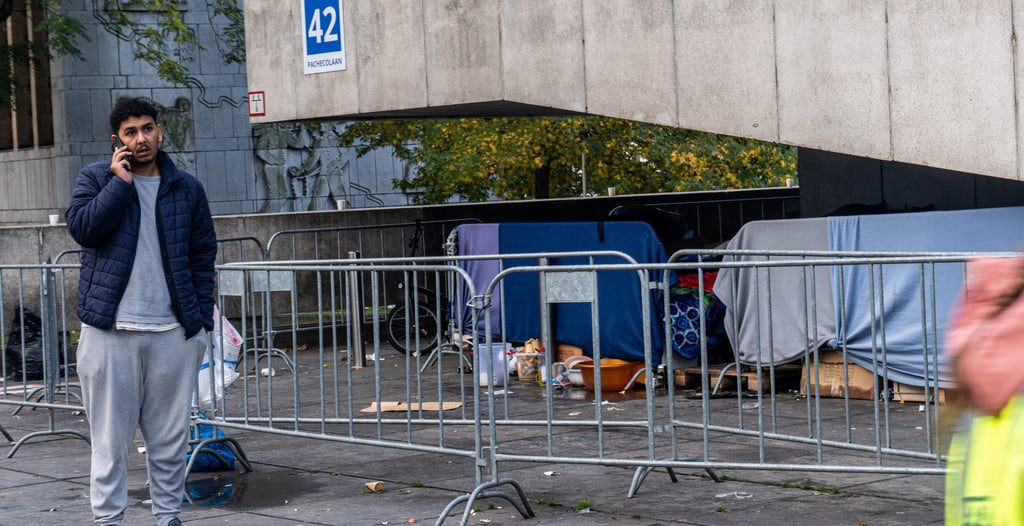
People gather at the campsite. Photo captured by: Aistis Pučinskas
Emmanuel, a 34-year-old asylum seeker from Botswana, has been living in a tent for four months. "I live here in a tent," he says, frustrated in his voice. As more asylum centers close, he has no more options. Many single men like him often find themselves at the bottom of the list for secure accommodation, as scarce rooms are prioritised for families with children. "Yes, it's actually very difficult to be here all alone without family, you feel ignored. Sometimes I feel like I don’t matter at all just because I’m a man but I understand why they prioritize kids and families.” Emmanuel acknowledges. Still, he maintains optimism, stating, "Despite that I’m waiting here for four months now I'm still hoping that everything will be fine."
Struggle for Basic Need
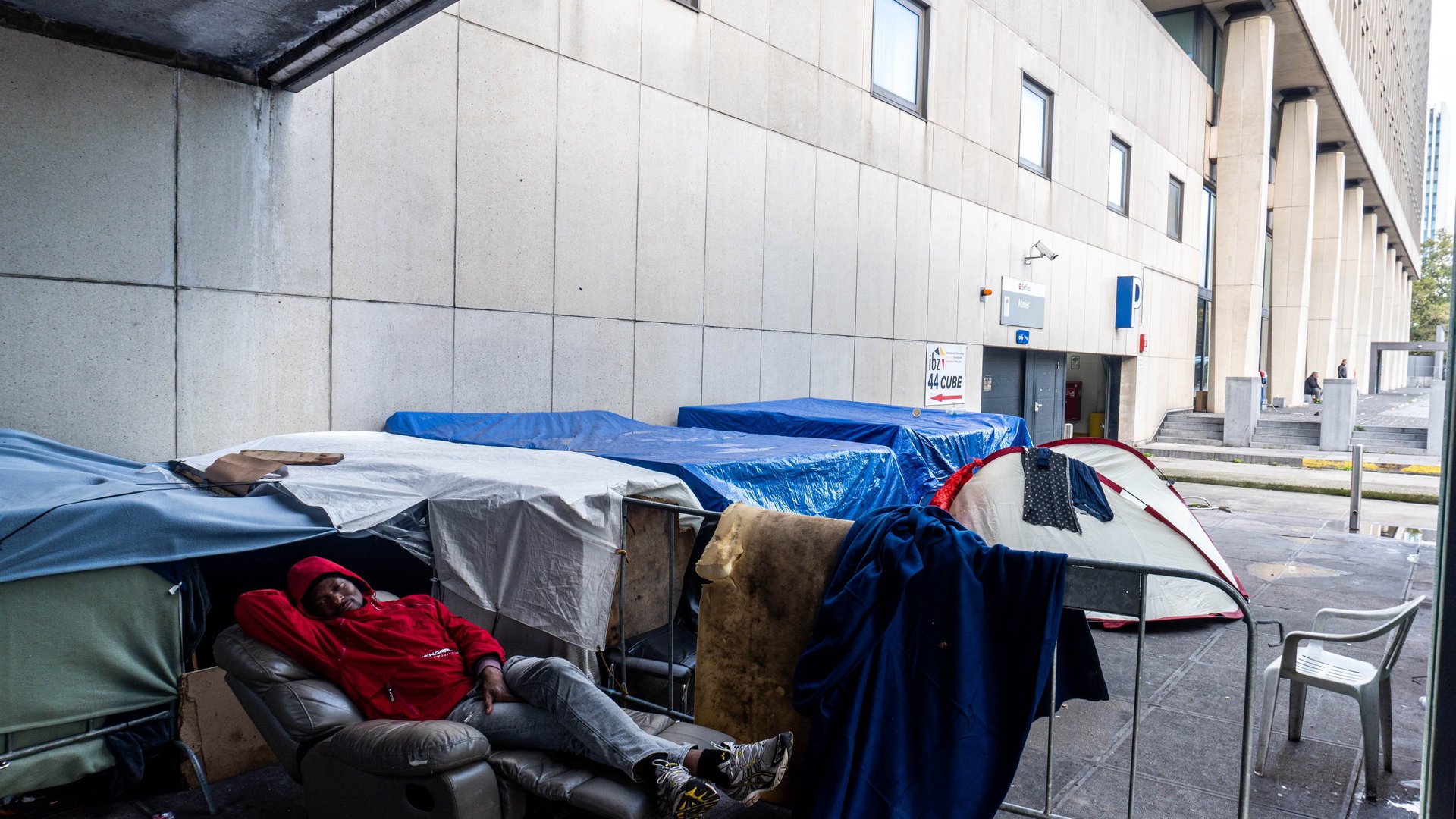
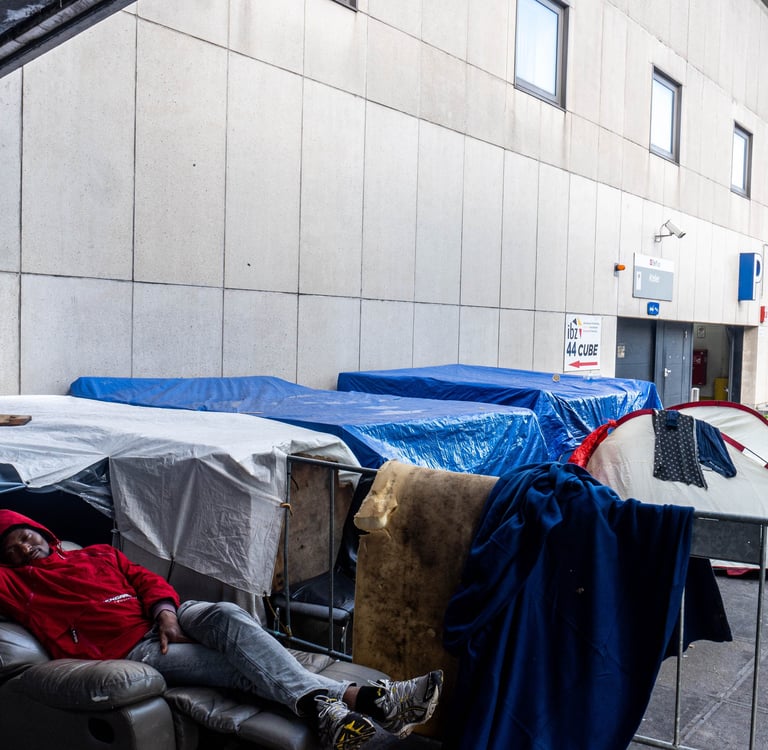
Emmanuel in his campsite. Photo captured by: Aistis Pučinskas
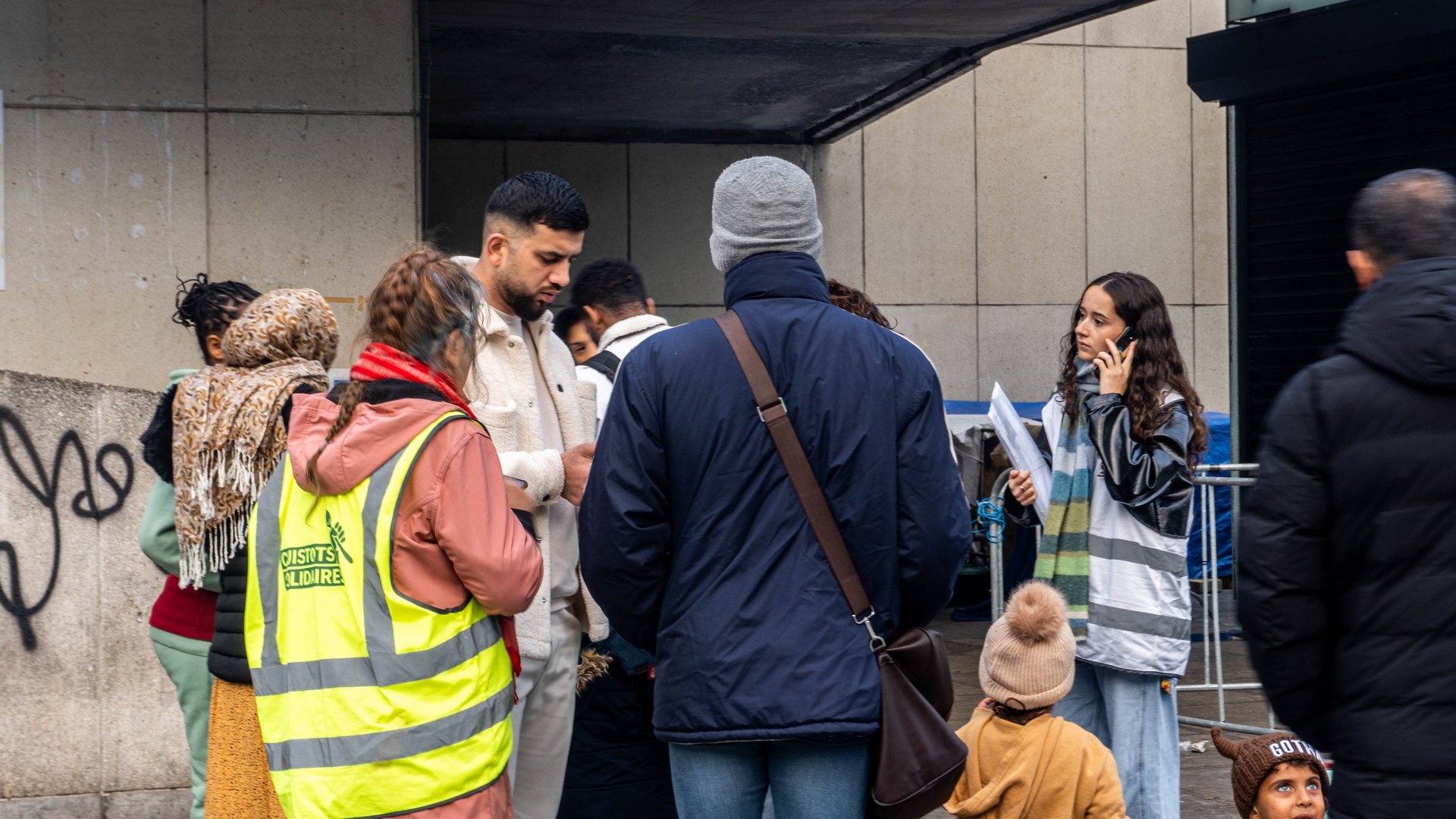
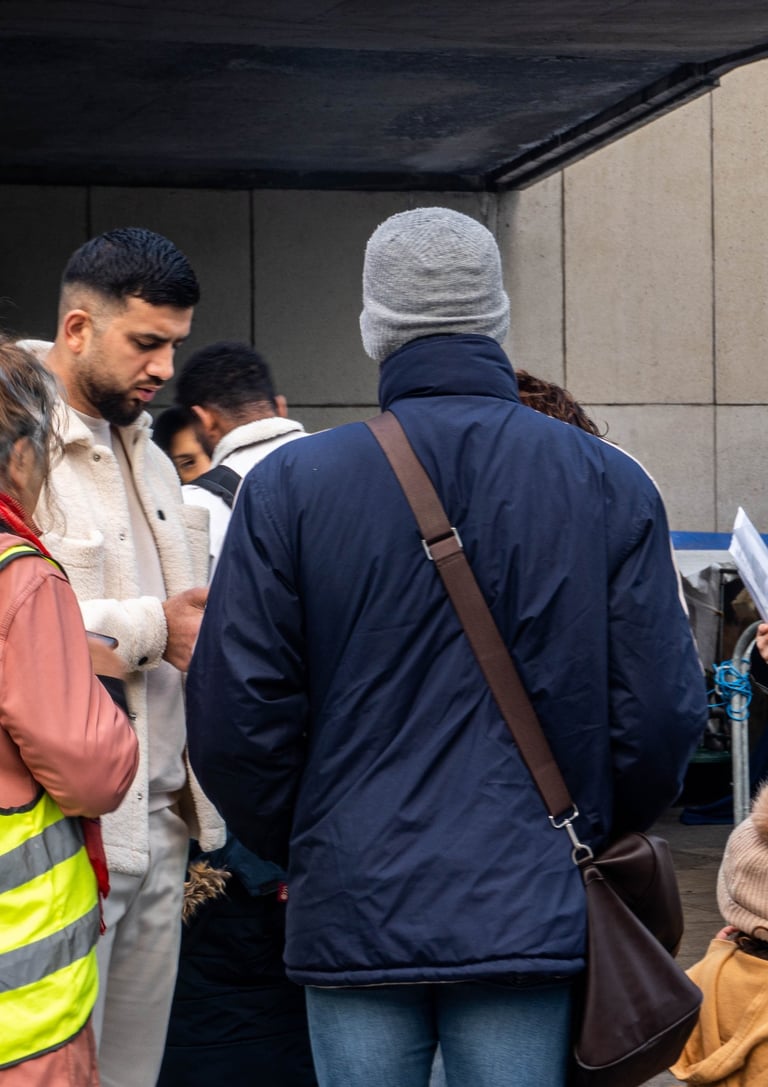
Brussels municipal volunteers communicating with people who wait. Photo captured by: Aistis Pučinskas
Long Wait and Uncertain Future
Due to the long process that can last for an unestimated amount of time, many have been waiting in temporary shelters for months, if not years, unclear when they would be able to find a secure place to live or reunite with loved ones. Omar, a South African immigrant, has found the waiting very difficult and stressful because his family has settled in Bruges while he is still living under a tent. "I'm staying here for a few months," he says. "The waiting process is annoying and it’s stressing me out and the fact that I don’t know for how long I will be in this situation keeps me anxious all the time..." People here have been waiting for months. With much fewer centers that are still open, Omar, like many others, is concerned that he may be forced out and have nowhere else to go.
Tiring waiting process in cold Belgium autumn, lots of miscommunications, language barrier and the unknown of the situation makes people mad and disappointed and furious. By walking in the street among some people you can feel the negative atmosphere due to the current situation. It makes it even more difficult to help them and feel safe when people are mad around.


The police keeps on looking for tents, I often have to run away from them, if they find any tent they’ll take it away with everything they find in it, this keeps me anxious every night.
Living conditions
Fedasil offers food, medical care, and some social assistance, but the system is straining under the weight of demand. Tent camps have become the norm for individuals who are unable to acquire housing space, with many immigrants depending on volunteers and community organizations to provide necessities. However, as more centers are closing doors, these groups are under pressure from increased demand and limited resources, making it difficult for them to provide the help.
Despite the EU’s open doors and opportunities for immigrants, people say that the system has mistakes and pitfalls. Even if things are moving forward in this topic, the process is still slower and more complicated than it seems. “We are here to help these people as much as we can, but it’s more complicated and we have to be patient,” said one of the volunteers helping immigrants.
The Belgian government institutions are also sending volunteers to help people who are waiting in the line. Volunteers provide people coffee or tea every morning, give them disposable food parcels and try to help immigrants to answer their questions or complaints. However, even volunteers agree that there is no easy way in this kind of situation and things sometimes can be difficult, but the government is trying to do everything to help as many immigrants as possible.
“In my opinion one of the biggest issues is the fact that Brussels is the only Belgian city that has this place where immigrants and refugees can register themselves” said one of the volunteers “many people have to come here from different cities and spend days living under tents till they get the chance to enter the building and register.”
It is quite obvious that the system is under stress. Like other European countries, Belgium must balance upholding its human rights obligations with providing for the basic necessities of individuals who travel there in search of a better life. The path to safety and stability remains a difficult one for Emmanuel, Omar, and innumerable others. Fedasil's problems will only worsen as Belgium struggles with the growing numbers of refugees, affecting numerous lives that are already in an uncertain waiting game.
New Government, Tougher Immigration Policies
Following Belgium's recent elections, the new conservative-led government has taken a tougher position on immigration, intending to reduce the number of asylum applicants through new admission standards and lower support services. This transition has made the uncertainty and anxiety of immigrants and asylum seekers much worse, after already spending months in overcrowded institutions. Funding cuts to agencies such as Fedasil, who are already dealing with overcrowded shelters, are putting additional strain on resources, while the recent closure of certain centers has worsened the issue.
Belgium faces challenging options as it attempts to balance the need to cater for newcomers with limited resources. Every day that passes without a clear solution leaves people like Emmanuel and Omar, among others, waiting for a system that has many flows to meet their needs. These people are giving their time counting from days to months, spending their money to come to the place and risking their future to become a part of Belgium. They remain optimistic to this day, but the people need change more than ever before to live a normal life in the EU territory.
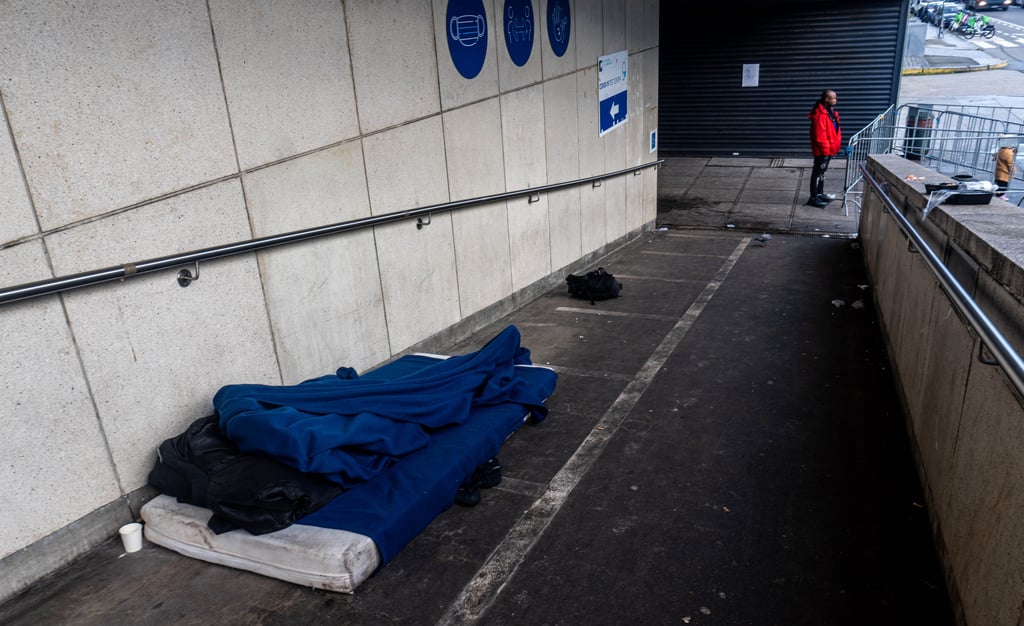
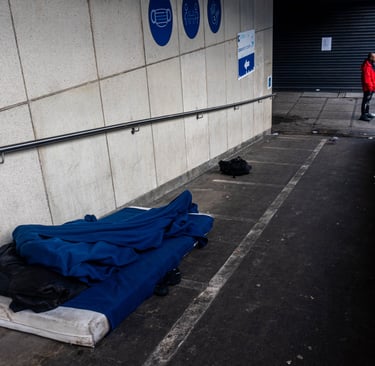
People sleeping on mattresses placed on cold ground. Photo captured by: Aistis Pučinskas
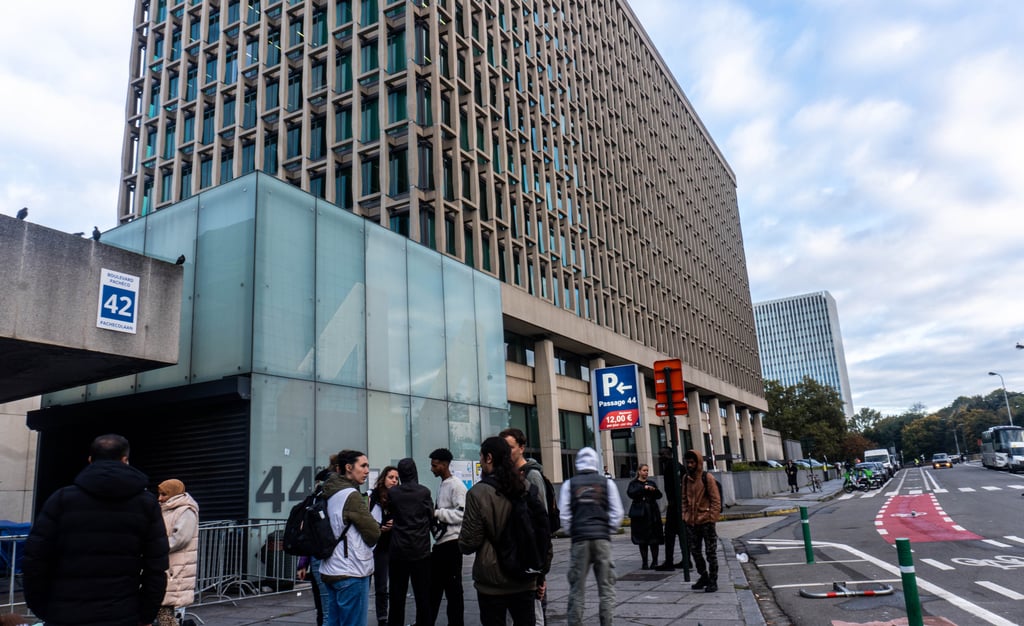
People waiting for their turn waiting to get into the Fedasil building in Brussels. Photo captured by: Aistis Pučinskas
aistpucini4@gmail.com
|
Contact me