DIGITAL AGE: SOCIAL MEDIA IMPACT – NEW OPPORTUNITIES OR DANGER
The 21st century is known as the digital age. On September 26, 2006, a young student of Harvard University, Mark Zuckerberg, released one of the first social platforms named Facebook, which has become the most popular social media platform worldwide. Actually, we have had social platforms since 1997, but they were not as widely used at that time. Today, most of us have more than one social media app on our devices such as Twitter (X), Instagram, TikTok, YouTube, Pinterest, Snapchat, and many others.
Since this day, we have 4.8 billion social media users worldwide, representing 59.9% of the global population. For some people, social media becomes inseparable from everyday life. Most scientists have repeatedly warned about the potential consequences of such measures for people's daily lives. There are already many people struggling with a major cause of depression and other psychological disorders because of social media. After all, is it all up to us, or is it a problem that needs to be tackled head-on?
What makes us use social media?
In today's world, the majority of us access social media through our smartphones or tablets, offering unparalleled convenience for staying connected. However, this constant accessibility means that social media is always within reach, leading to round-the-clock connectivity that can exacerbate impulse control issues. The incessant alerts and notifications can disrupt concentration, hinder focus, disturb sleep patterns, and foster a dependency on our devices. Social media platforms are meticulously designed to capture and retain your attention, encouraging frequent screen checks for updates, ultimately serving the financial interests of the companies behind them. Similar to addictive behaviors such as gambling, nicotine, alcohol, or drug consumption, prolonged use of social media can generate psychological cravings. Positive reactions to posts, such as likes or shares, can trigger the release of dopamine in the brain, akin to the sensation of winning a slot machine jackpot or indulging in a pleasurable treat like chocolate. The more these rewards are received, the stronger the urge to spend more time on social media, even at the expense of other aspects of life.
Photo by @Shutter Speed via Unsplash
Negative aspects of social media
According to research from the University of Michigan, an estimated 210 million people worldwide are suffering from addiction to social media and the internet. Interacting face-to-face with others is essential for activating hormones that reduce stress and promote feelings of happiness, well-being, and optimism. Despite its aim to connect individuals, social media can paradoxically lead to increased loneliness and isolation, along with worsening mental health issues like anxiety and depression if used excessively. If you find yourself spending too much time on social media and experiencing negative emotions such as sadness, discontentment, frustration, or loneliness, it's crucial to reassess your online behaviors and strive for a healthier equilibrium. Also, most people experience cyberbullying on social media.
Positive aspects of social media
The negative aspects of social networking are frequently emphasized, yet it's important to recognize the numerous positive impacts that social media has on individuals of all ages. One of the most notable benefits of social media revolves around communication and socialization. These platforms enable us to make new connections with like-minded people, and social media is spreading various information and news; we‘re able to have quick access to any information or find fresh and reliable news. Despite a lot of unnecessary info, with responsible search in social media, useful and helpful information or advice can be found. A lot of educational videos and posts contain useful information in educational formats. Use social networks to map out the steps for your idea or get more ideas. And many other reasons I haven't listed.
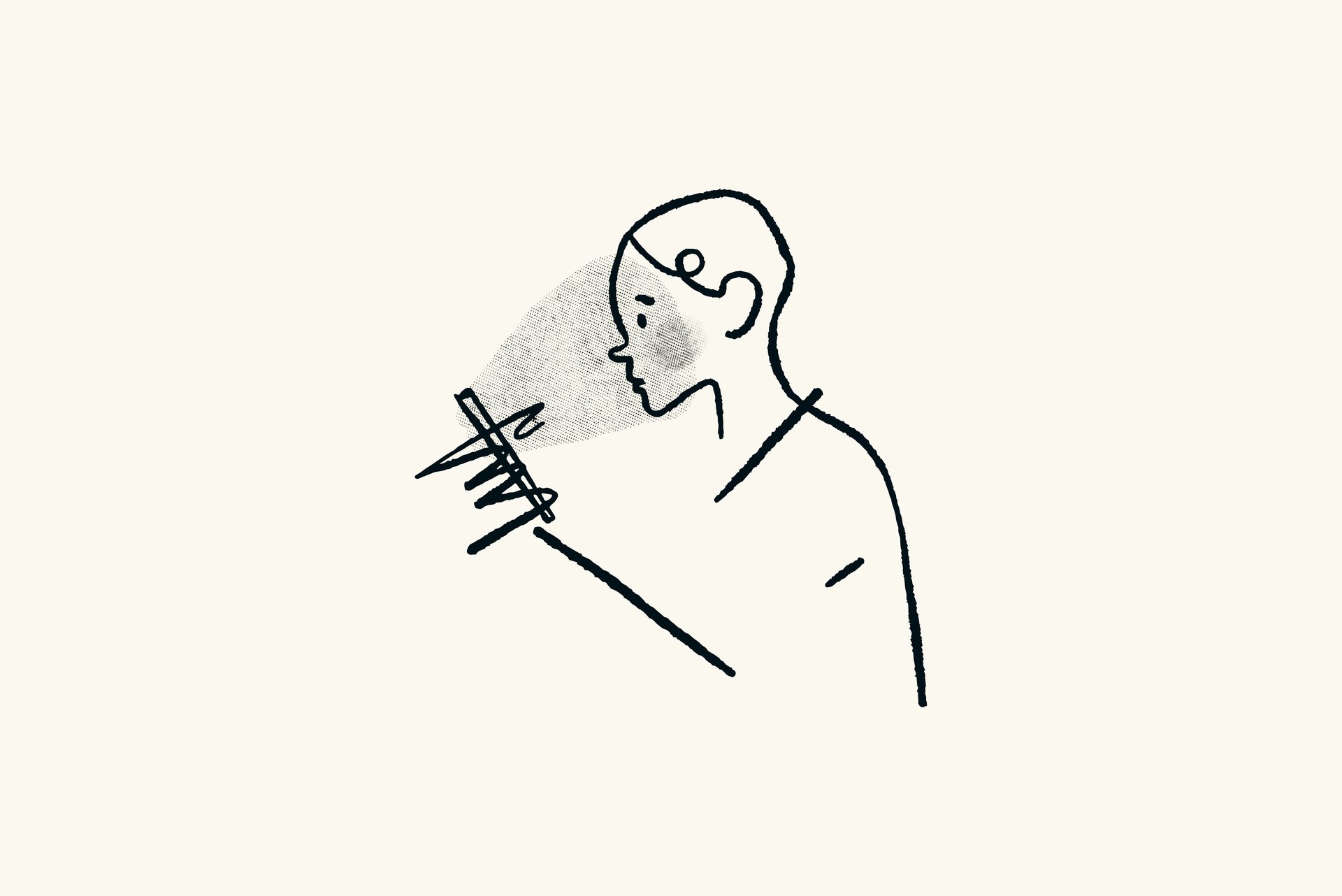
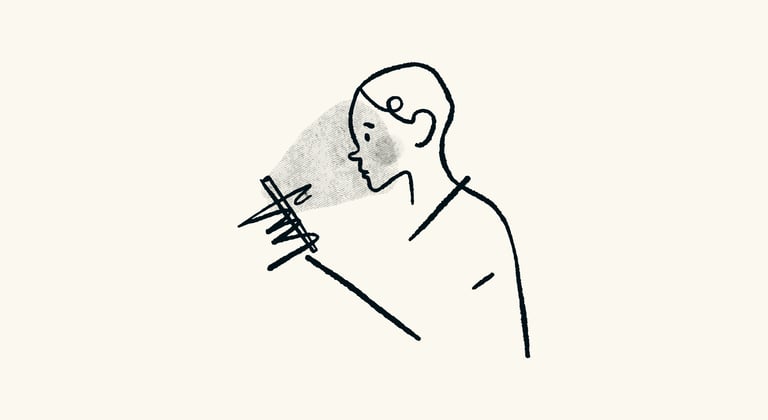
Photo by @helloimnik via Unsplash
Avoid it or use it?
In today's world, smartphones and tablets make it easier to use social media, so constant connectivity can interfere with concentration and sleep. Social media platforms are designed to attract attention, which is sometimes addictive. However, social media also has benefits, such as facilitating communication and providing quick access to information and educational resources. It is important to be aware of both the positive and negative sides of the impact of social media on our lives and to be aware of the consequences and opportunities, and to be able to select the right information and devote the right amount of time to it, without missing out on everything that is going on in the lives of those around us.


Photo by @visuals via Unsplash
aistpucini4@gmail.com
|
Contact me